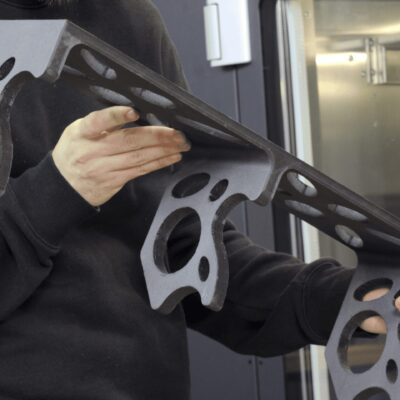
Industrial Filament Dry Cabinet
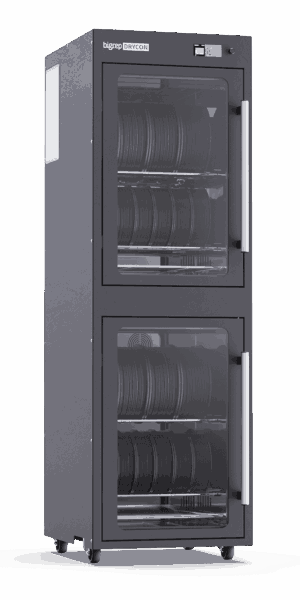



Dual chambers perfect for customized drying settings for different materials.
Locks out the moisture and heat so your material is ready for print when you are.
Makes your prints robust, heat resistant and enhances mechanical properties.

Maximize your parts performance
The DRYCON is the only dual-chamber machine on the market that has three things at once - a dryer, storage, and an annealing system. It is engineered to be the perfect partner for your 3D printer, so you can unlock the full potential of your additive manufacturing workflow.
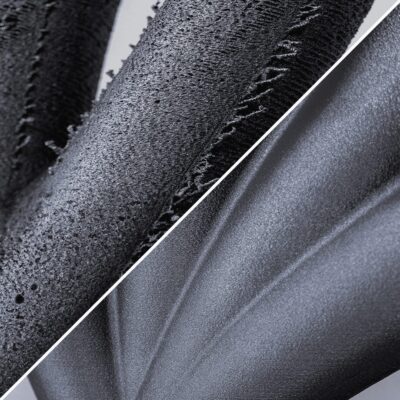
DRYCON delivers quality.
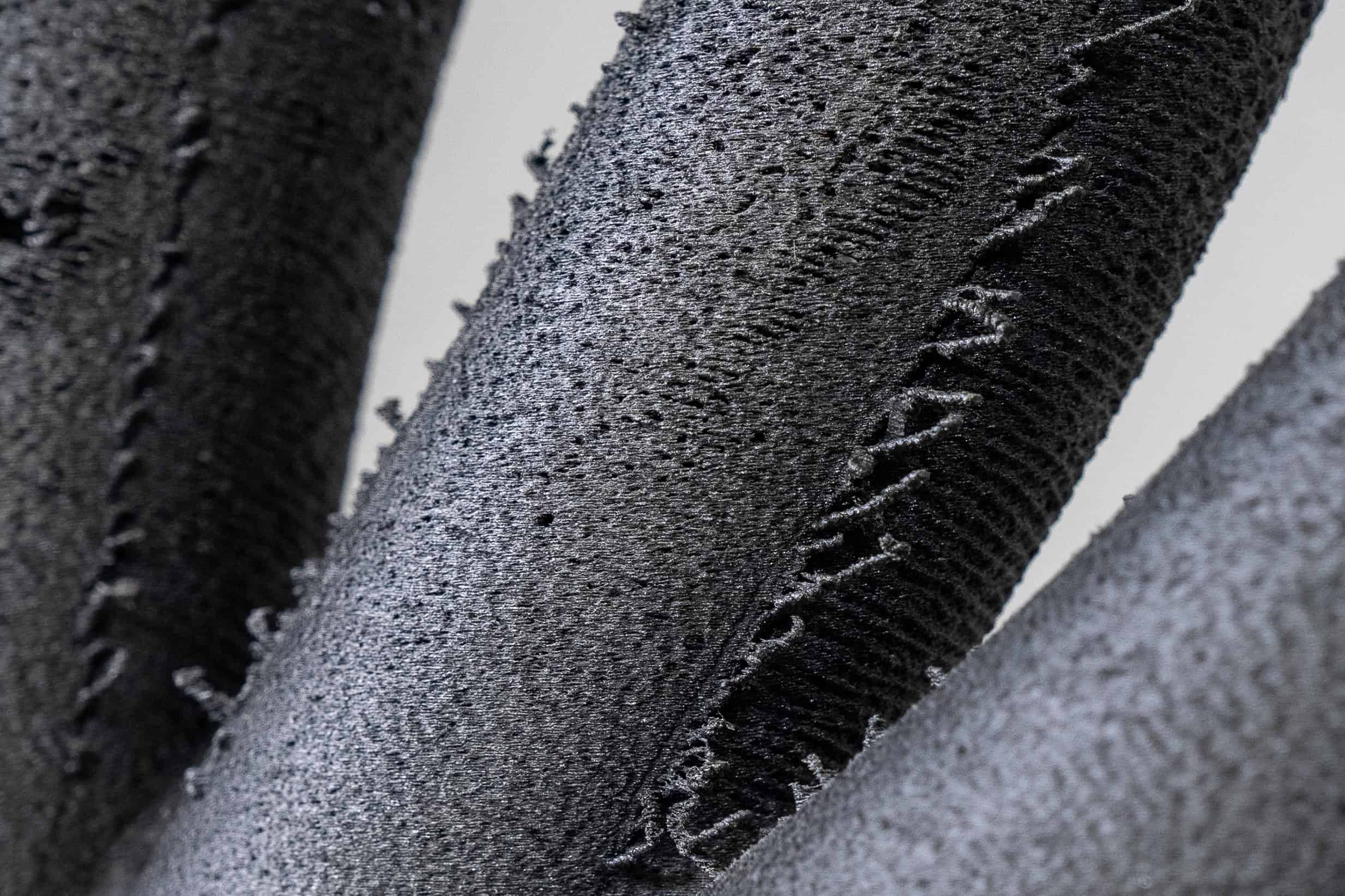
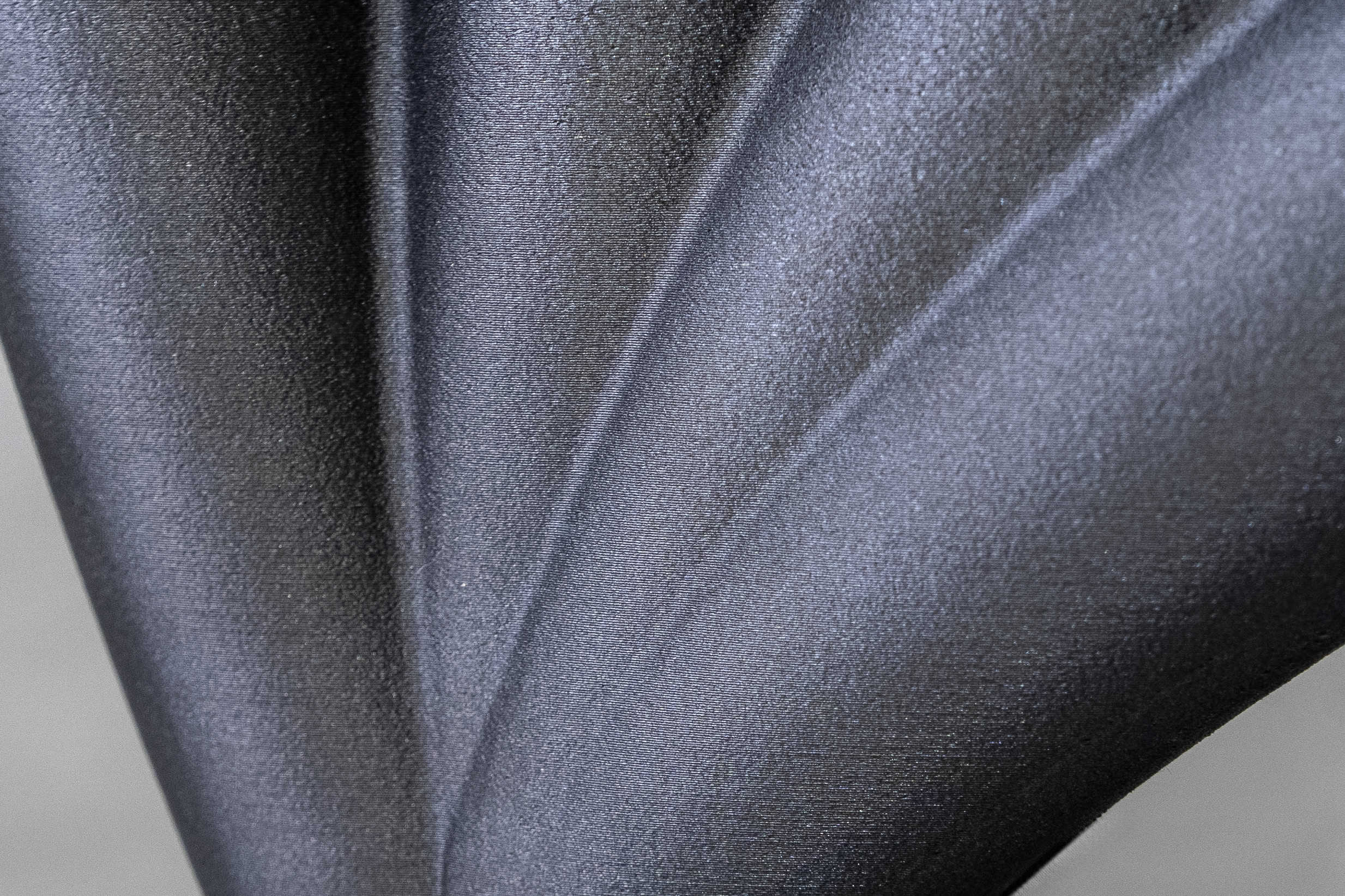
See the difference for yourself.
Improve your 3D print's quality, strength, and resistance. Drying, optimal storage, and annealing ensure your parts perform at their best and withstand the test of time.
Dual Chamber Capacity
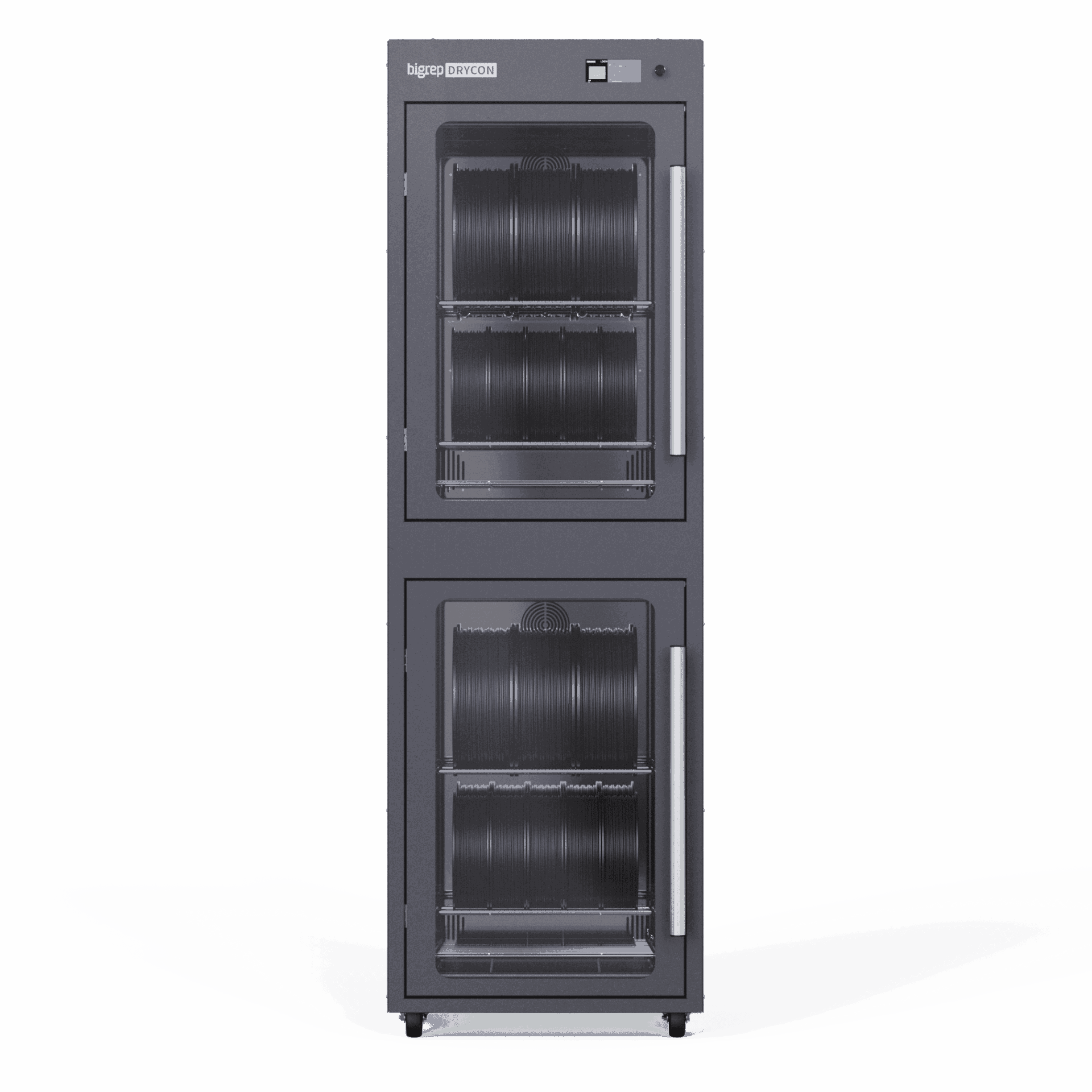
The DRYCON is equipped with two chambers (396mm X 455mm X 478mm each) that heat up to 180° C. They are both engineered to dry, store, and anneal parts to perfection.
The chambers house up to 16 spools of 1 kg, 8 spools of 4.5 kg, or 4 spools of 8 kg filament with custom temperature control. They can be set to different conditions to treat filaments with their ideal environment requirements. Both chambers operate independently, allowing for multiple functions simultaneously—such as drying or storing filaments in the upper chamber while annealing parts in the lower chamber.
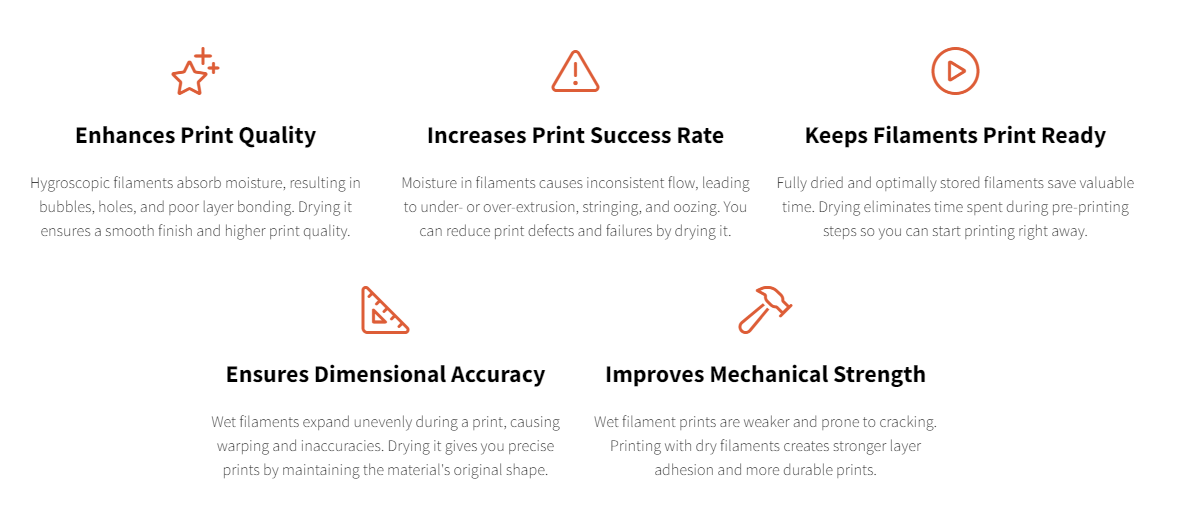
WHY DRY FILAMENTS?
WHY ANNEAL 3D PRINTED PARTS?
Improves Mechanical Properties
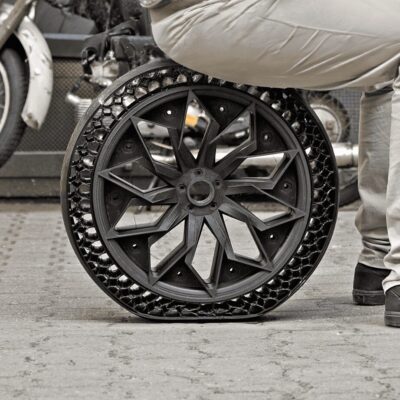
Annealing 3D printed parts involves heating them to a controlled temperature and then slowly cooling them which rearranges the internal structure of the print. This helps release internal stresses that cause warping and distortion, ensuring the part retains its dimensional accuracy. The process also improves inter-layer bonding by fusing the layers more tightly, resulting in greater tensile strength, durability, and functionality.
Enhances Thermal Stability
Increase a part’s resistance to high temperatures by annealing. The process alters the material’s crystalline structure, making it less prone to deformation when exposed to heat. This improves the part's ability to maintain its mechanical properties in fluctuating or extreme temperature environments, ensuring long-term durability and performance in demanding applications.